
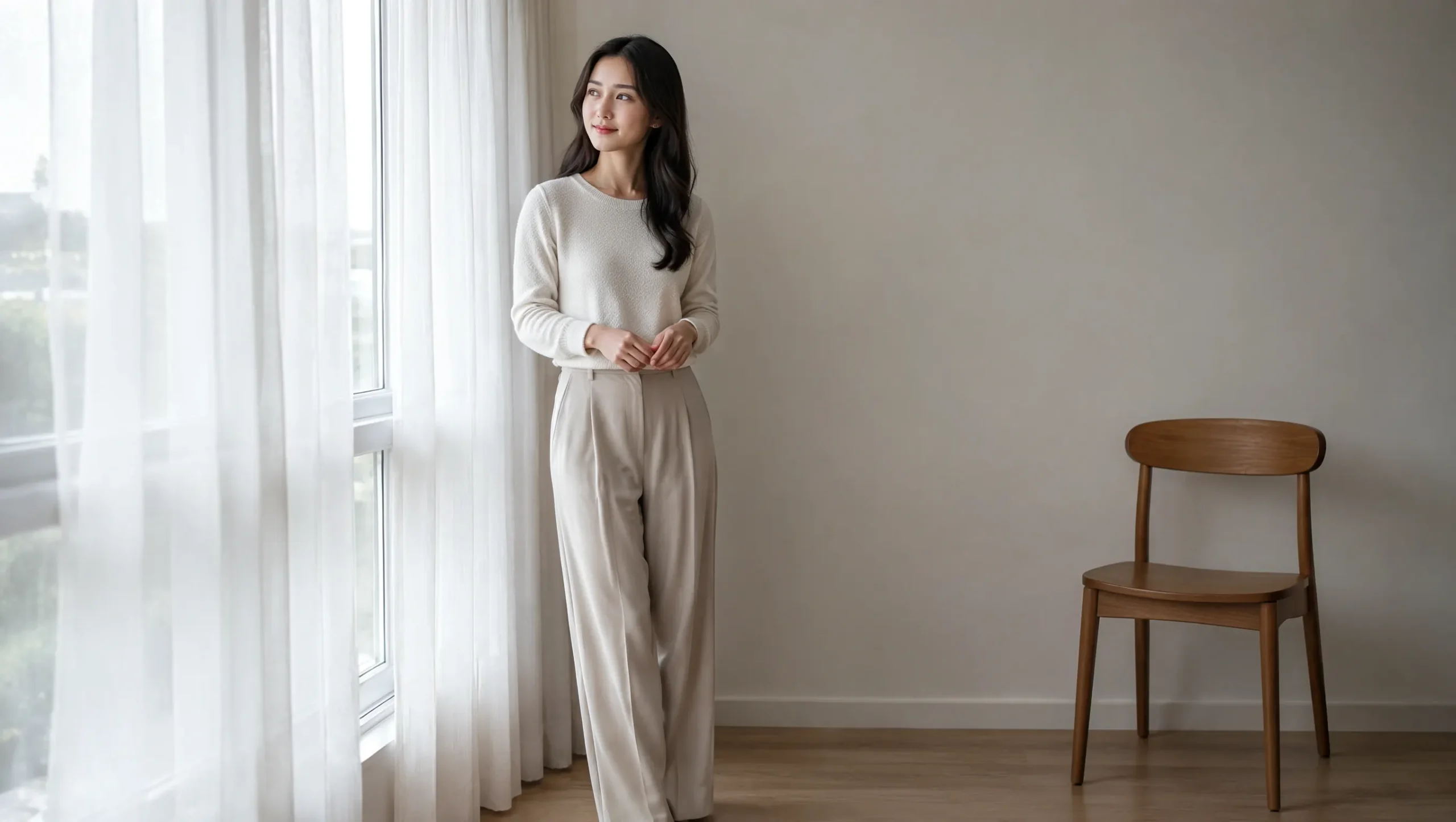
Natural light can transform an ordinary indoor scene into a beautiful photograph. A simple window can create gentle highlights, subtle shadows, and a warm atmosphere without requiring expensive lighting equipment. The challenge is knowing how to use that light effectively.
Soft Window Light offers photographers a practical way to create balanced and natural-looking images. By understanding window direction, controlling brightness, and positioning subjects carefully, anyone can improve indoor photography while maintaining realistic colors and attractive details.
Understanding Natural Light for Indoor Photography
Have you ever noticed how the same room can look completely different depending on the time of day? Natural light changes throughout the day, influencing the brightness, color, and overall mood of indoor photographs.
Understanding Soft Window Photography Lighting helps photographers recognize these differences and make better creative decisions. Instead of relying entirely on artificial lighting, they can use available sunlight to produce softer and more inviting images.
How Window Direction Changes Light Quality
The direction a window faces influences how sunlight enters a room. North-facing windows generally provide more consistent indirect light, while south-facing windows may receive stronger sunlight depending on the location. East-facing windows often produce gentle morning light, whereas west-facing windows can create warmer afternoon illumination.
Soft Shadows Created by Indirect Sunlight
Indirect sunlight produces softer shadows because the light spreads across a larger area. This reduces harsh contrasts and helps preserve details in both bright and dark parts of an image. Photographers can position subjects near windows without placing them directly under intense sunlight to achieve a more balanced appearance.
Differences Between Morning and Afternoon Light
Morning light is often cooler and gentler, creating a fresh atmosphere for portraits and lifestyle photography. Afternoon sunlight may appear warmer and more directional, adding depth and stronger highlights. Observing these changes helps photographers choose the right shooting time for their desired mood.
Preparing a Photography Setup Near Windows
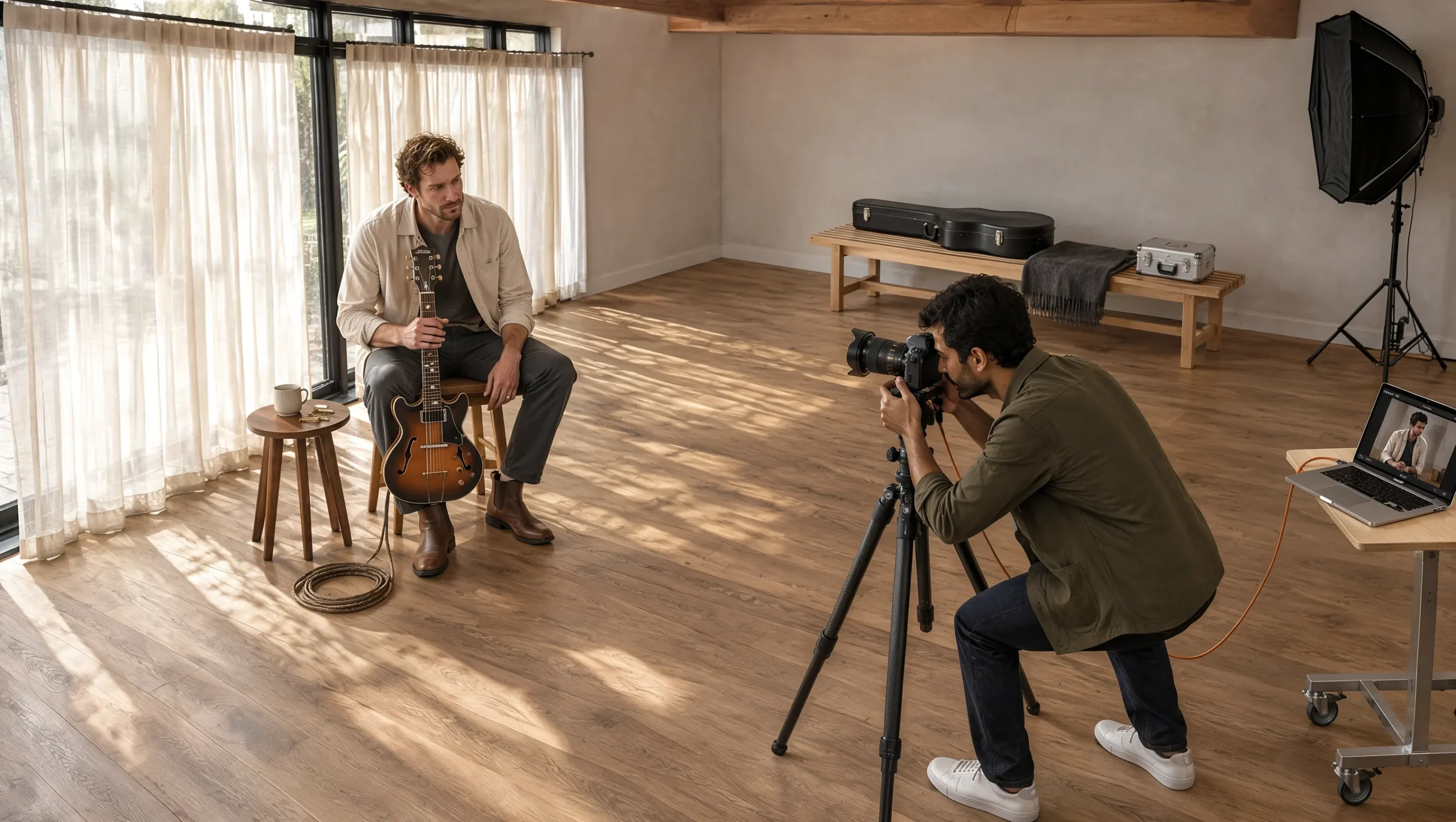
A successful indoor photography session does not require a complicated studio arrangement. With a suitable window, a carefully positioned subject, and a few simple adjustments, photographers can create attractive images using natural light.
Before taking pictures, consider how the light falls across the room and whether the subject receives too much brightness. Photographer Joe McNally emphasizes the importance of understanding illumination, explaining, “Light is the most important thing in photography.” This perspective encourages photographers to observe their surroundings before changing camera settings.
Positioning Subjects Beside Natural Light Sources
Place the subject near a window to take advantage of available daylight. Positioning someone slightly sideways toward the light can create gentle facial shadows and natural depth. Moving the subject closer to or farther from the window also changes the intensity and softness of illumination.
Using Curtains to Diffuse Bright Sunlight
Thin white curtains can soften direct sunlight before it reaches the subject. This creates more even illumination and reduces distracting highlights on faces or objects. If the room receives particularly strong sunlight, adjusting the curtains can provide better control without blocking all natural light.
Adjusting Camera Exposure for Balanced Images
Exposure settings help maintain details in bright and dark areas. Photographers can adjust ISO, aperture, and shutter speed according to available light. Checking the camera’s histogram can also reveal whether highlights are becoming overexposed or shadows are losing important details.
Creating Natural and Balanced Photographs
Once the lighting arrangement is ready, attention can shift toward the overall appearance of the photograph. Good indoor images should preserve natural details while creating an atmosphere that feels comfortable and visually appealing.
Have you considered how small changes in light direction can influence a person’s appearance? Photographer Lindsay Adler highlights the creative role of illumination, stating, “Light is what makes a photograph.” This idea shows why thoughtful lighting choices matter when capturing realistic and expressive images.
Highlighting Facial Details With Soft Lighting
Soft window light can reveal facial features without creating overly harsh shadows. Positioning the subject at a slight angle toward the window helps illuminate the face while maintaining natural dimension. This technique works particularly well for portraits and casual lifestyle photographs.
Maintaining Natural Skin Tones in Images
Accurate skin tones depend on both lighting conditions and camera white balance. Automatic settings may sometimes produce unwanted color shifts when sunlight changes throughout the day. Using a suitable white balance setting and avoiding mixed lighting sources can help maintain realistic skin colors.
Using Shadows to Add Visual Depth
Shadows do not always need to be removed from a photograph. Gentle shadows can emphasize facial contours, reveal object textures, and separate subjects from their backgrounds. Allowing some darker areas to remain also creates a more natural and dimensional composition.
Capture Beautiful Photos With Soft Window Light
Creating beautiful indoor photographs is often about understanding and using the light already available. Window direction, natural shadows, exposure adjustments, and thoughtful subject positioning all contribute to balanced images. With regular practice, photographers can develop a better sense of how natural light changes the atmosphere of a scene.
Explore your surroundings, experiment with different window positions, and start capturing more beautiful photographs with natural light!