
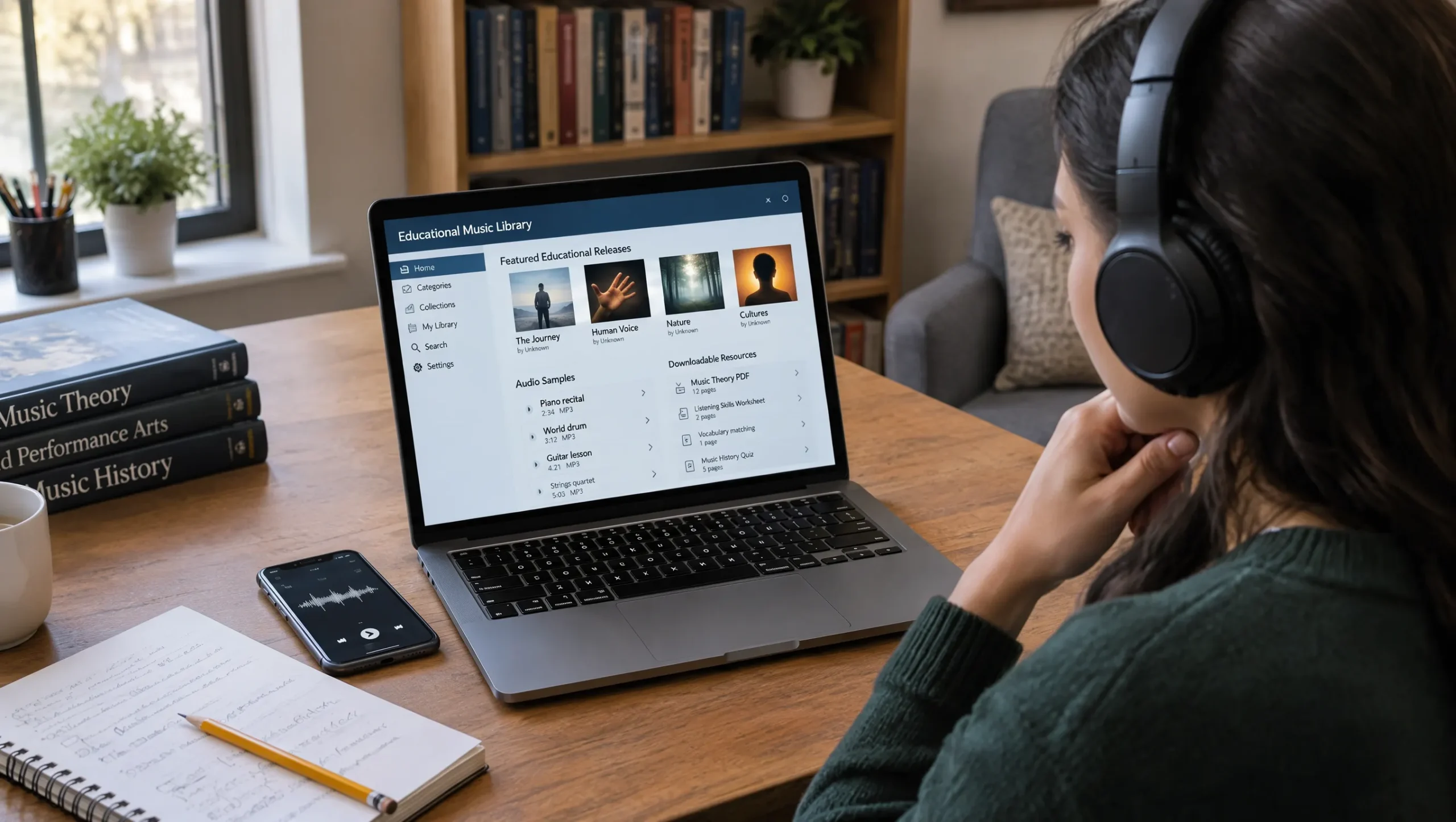
Have you ever noticed how a familiar melody can make a lesson easier to remember? Music can turn ordinary study activities into engaging experiences, helping students recognize patterns, explore new sounds, and connect ideas with real-life situations.
Educational Music Downloads provide teachers, students, and parents with convenient access to audio materials for different learning activities. From language exercises to instrumental practice, the right recordings can support lessons while making learning more enjoyable.
Music Resources for Educational Activities
Music can support many classroom activities when it is selected with a clear learning purpose. Teachers can use songs, instrumental recordings, and listening exercises to introduce new topics or reinforce concepts students have already studied.
Educational Listening Music Downloads also offer flexible resources for individual practice, group activities, and lessons outside the classroom. Music education researcher Edwin E. Gordon emphasized its importance in child development, explaining that “Music is unique to humans. Like the other arts, music is as basic as language to human development and existence.” His perspective highlights why listening deserves a meaningful place in education.
Audio Materials for Classroom Learning
Audio materials can make lessons more interactive by giving students something to hear, discuss, and respond to. Teachers might use nature sounds, historical recordings, rhythm exercises, or educational songs to introduce specific subjects.
For example, a geography lesson could include traditional music from different regions. Students can listen for distinctive instruments and discuss how music reflects local cultures.
Music Collections for Language Practice
Songs are useful for language learning because they expose students to pronunciation, vocabulary, rhythm, and everyday expressions. A carefully selected collection can help learners recognize familiar words and become more comfortable with natural speech.
Teachers can choose age-appropriate songs with clear vocals and accessible lyrics. Students can listen, identify repeated phrases, and practice speaking along with the recording.
Instrumental Tracks for Music Education
Instrumental recordings help students focus on melody, rhythm, tempo, and musical structure without relying on lyrics. They are especially useful when introducing different instruments or explaining how musical elements work together.
Teachers can play short sections and ask students to identify changes in rhythm, pitch, or volume. These activities encourage active listening rather than simply playing music in the background.
Choosing Suitable Educational Music Downloads
Not every audio track is appropriate for every lesson. The best choice depends on students’ ages, learning objectives, classroom environments, and available equipment.
Before downloading a recording, consider whether its content supports the activity and whether students can access it easily. A little preparation can prevent technical problems and make classroom listening more effective.
Checking Audio Quality Before Downloading
Clear audio makes it easier for students to recognize words, instruments, and subtle musical details. Poor recordings may contain distracting background noise or distorted sounds that interfere with learning.
Whenever possible, preview a track before downloading it. Check whether the volume is consistent and whether vocals or instruments can be heard clearly.
Reviewing Permissions for Educational Use
Educational use does not automatically mean every music recording is free to copy or share. Some downloads are licensed for personal listening only, while others allow classroom playback or broader educational use.
Read the license terms carefully, especially if you plan to distribute files, include music in presentations, or upload recordings to a learning platform. When permission is unclear, contact the copyright holder or choose material with an appropriate license.
Selecting Formats for Different Learning Devices
Audio formats can affect compatibility, storage space, and sound quality. MP3 is widely supported and convenient for phones, laptops, and classroom speakers, while WAV and FLAC can be useful when higher audio quality is important.
Check which formats your devices support before purchasing or downloading files. Choosing a compatible format helps lessons run smoothly without unnecessary technical interruptions.
Making Downloaded Music Useful for Learning
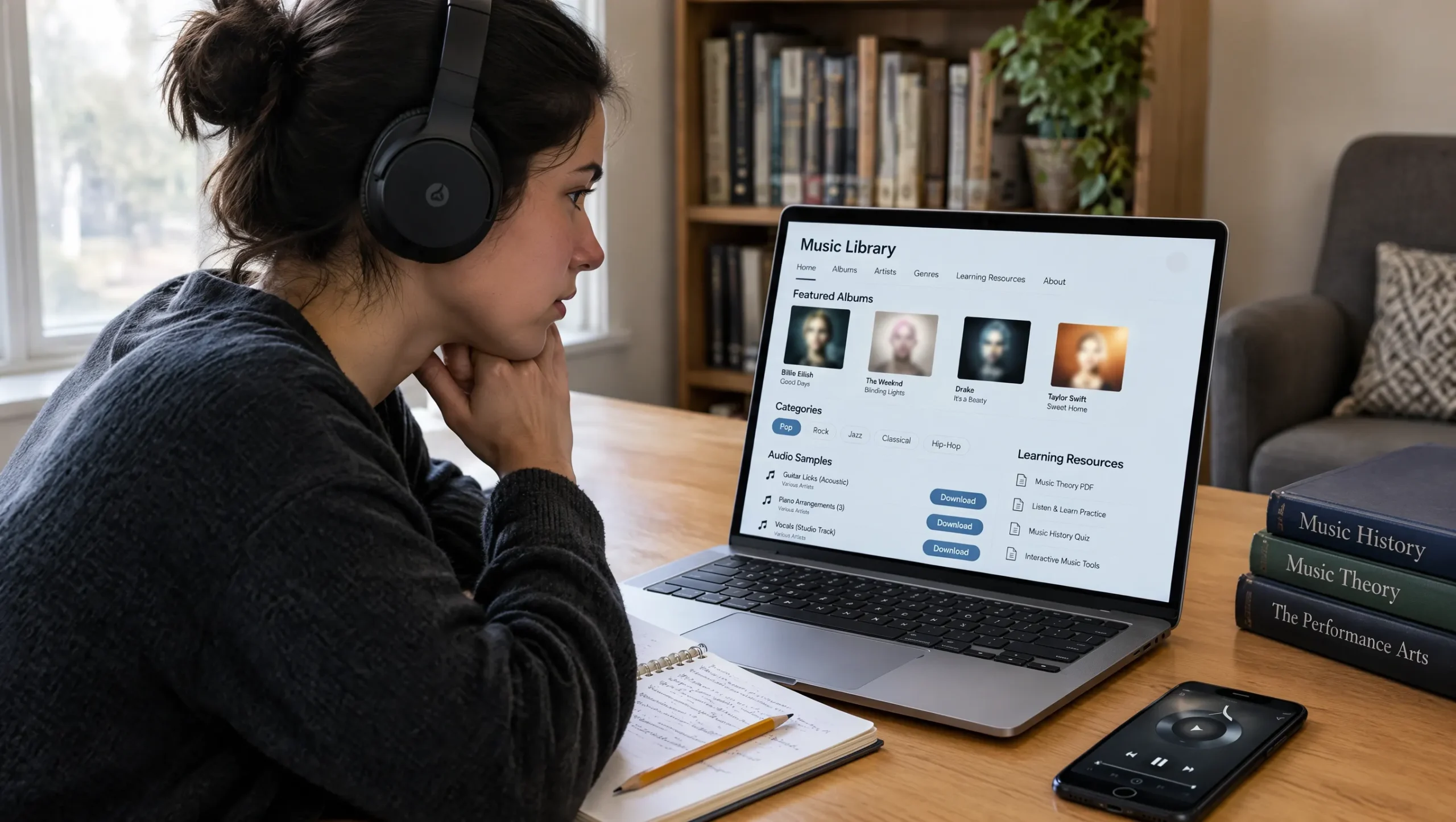
Once you have suitable recordings, the next step is turning them into practical learning resources. A simple listening plan can help students understand what to focus on instead of treating music as background entertainment.
Try connecting each recording to a specific task. Students might identify vocabulary, follow a rhythm, compare instruments, or describe the mood of a musical piece. These small activities can make listening more purposeful.
Organizing Tracks by Educational Subject
Keep downloaded recordings in clearly labeled folders based on subjects, activities, or age groups. For example, separate collections can be created for language practice, cultural studies, instrumental learning, and classroom relaxation.
Adding artist names, track titles, and short descriptions also makes it easier to find the right recording when preparing a lesson.
Supporting Listening and Pronunciation Practice
Music can help language learners become more familiar with pronunciation and speaking rhythm. Students can listen to a short section, repeat selected phrases, and compare their pronunciation with the recording.
Music education scholar Patricia Shehan Campbell described music as “an aural pathway for understanding the world in which people live.” This idea supports the value of attentive listening as a way for students to explore sounds, meanings, and different cultural experiences.
Incorporating Music Into Daily Study Sessions
Short music activities can fit naturally into daily learning routines. Students might begin a session with a listening exercise, use instrumental tracks during a creative task, or review vocabulary through song.
Keep each activity connected to the lesson objective. When music has a clear purpose, it can encourage participation without distracting students from the material.
Discover Music Downloads for Better Learning
The right music can make educational activities more engaging, memorable, and accessible. By checking audio quality, reviewing usage permissions, and organizing recordings carefully, teachers and learners can build a useful collection for different subjects.
Explore suitable music resources and find recordings that make your next learning session more engaging.