
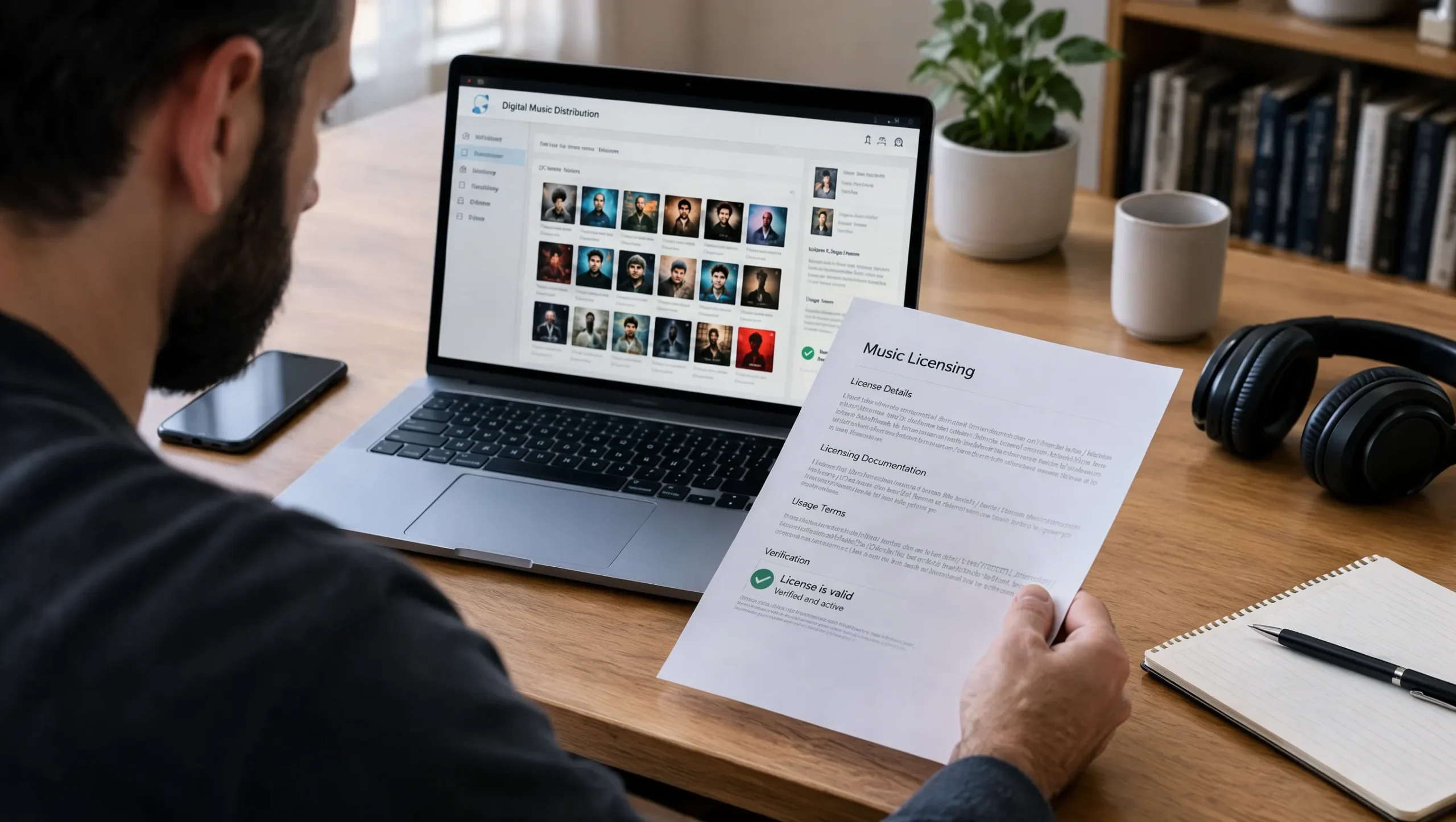
Downloading music online may seem simple, but do you always know whether a track is legally available for your intended use? Some songs come with copyright restrictions that affect how they can be downloaded, shared, or included in creative projects. Understanding these rules can help you enjoy music while respecting the people who create it.
Legal Music Downloads make it easier to access digital audio while respecting copyright ownership and licensing agreements. Whether you need music for personal listening, videos, podcasts, or business projects, checking the permissions before downloading can help you avoid unexpected copyright problems.
Understanding Music Download Licensing Rules
Music licensing determines how digital audio can be accessed, reproduced, and distributed. Although a song may be available on a website, that does not automatically mean users have permission to use it however they want. Knowing the basic rules makes every download more responsible.
Copyright Alliance CEO Keith Kupferschmid explains the importance of protecting creative work, “Copyright protection gives creators important rights over their work and helps support the creative industries that depend on original content.” This principle highlights why understanding music permissions matters before downloading a track.
Copyright Protection for Digital Audio Files
Copyright generally protects original musical compositions and sound recordings. This means downloading a song does not automatically transfer ownership or grant permission to reproduce, distribute, or modify it.
Artists, composers, record labels, and other rights holders may control different elements of a recording. Understanding these distinctions helps users avoid assuming that purchasing a music file provides unlimited usage rights.
Personal and Commercial Music Usage Rights
Personal listening and commercial use often require different permissions. A license may allow someone to download music for private enjoyment while restricting its use in advertisements, monetized videos, or business presentations.
Before using a track professionally, check whether the agreement covers your intended activity. Some licenses may also require additional payments, attribution, or separate authorization from the copyright owner.
License Information From Music Distributors
Music distributors and digital platforms usually provide details about copyright ownership, permitted usage, and download conditions. These details may appear on product pages, licensing agreements, or purchase confirmations.
Reading the information before completing a transaction helps you understand what your download includes. If certain conditions are unclear, contacting the distributor can prevent misunderstandings later.
Verifying Music Rights Before Downloading
Finding a track that matches your preferences is only the beginning. You also need to confirm that the source provides legitimate permission for your intended use. Checking Verified Music Download Licenses helps you understand whether a recording is suitable for personal listening or professional projects.
Checking Official License Documentation
Always look for official license documentation before downloading music. This may include a licensing agreement, usage policy, purchase receipt, or digital certificate explaining the permissions attached to a track.
Pay attention to the license type, duration, territory, and permitted platforms. Some agreements allow personal listening but restrict redistribution or commercial applications.
Reviewing Artist and Distributor Information
Reliable music platforms provide information about artists, publishers, distributors, and copyright ownership. These details help users understand where a track comes from and whether the seller has the authority to distribute it.
Maria Pallante, former Register of Copyrights and Director of the U.S. Copyright Office, has emphasized the importance of copyright information and the legal framework surrounding creative works. Her perspective reinforces why checking ownership and licensing details is an important part of responsible music downloading.
Identifying Restrictions on Music Usage
Not every music license provides the same level of freedom. Some prohibit commercial use, while others restrict editing, public performance, or sharing with third parties.
Creative Commons licenses, for example, include different conditions. Certain versions require attribution, prohibit commercial use, or limit the distribution of modified material. Always review the specific license instead of assuming that freely available music has identical permissions.
Managing Music Files With Proper Permissions
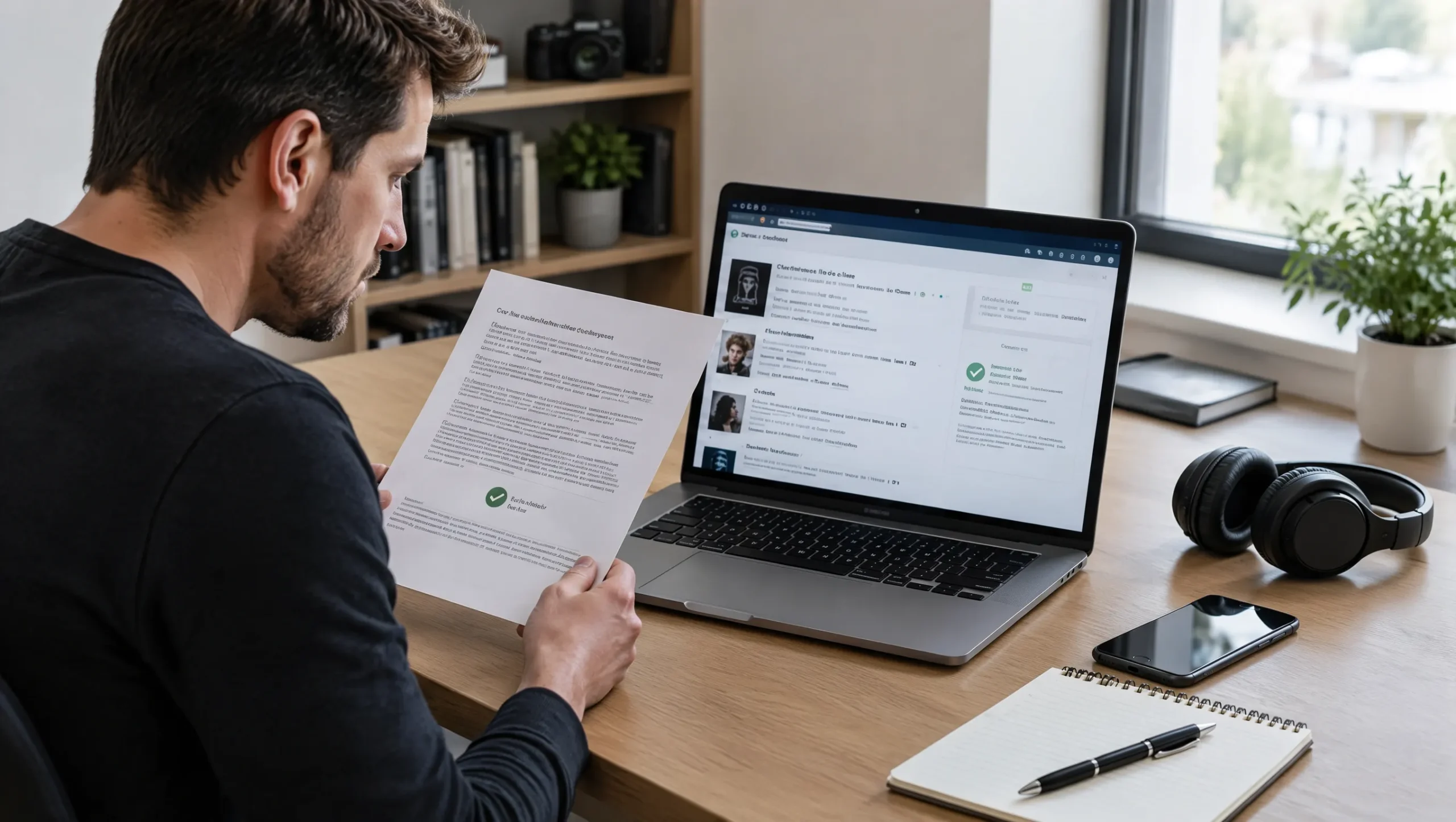
Downloading music legally is not the end of the process. Keeping licensing information organized is equally important, especially if you regularly use audio for creative projects. A simple filing system can help you identify which tracks are appropriate for different activities.
Keeping Records of Purchased Licenses
Save purchase receipts, license agreements, and confirmation emails alongside your downloaded music. These documents can provide evidence of the permissions you obtained if questions arise later.
It is also helpful to record the platform, download date, track title, and license type. Keeping these details accessible makes managing your collection much easier.
Organizing Downloads by Usage Rights
Create separate folders for personal listening, commercial projects, and tracks with specific restrictions. You can also use clear file names to identify different license categories.
This approach makes selecting suitable audio easier when creating videos, presentations, or other content. It also reduces the risk of accidentally using a personal-use track in a commercial project.
Avoiding Copyright Issues When Sharing Music
Even legally downloaded music cannot always be shared with other people. Uploading purchased songs to public websites, distributing copies, or sharing audio through social media may violate licensing conditions.
Instead, share the original platform’s official music page when appropriate. If you intend to distribute the audio itself, make sure the license explicitly allows redistribution.
Choose Licensed Music Downloads With Confidence
Enjoying digital music responsibly starts with understanding the permissions behind every recording. By checking official documentation, recognizing usage restrictions, and keeping license records organized, you can build a music collection without overlooking important copyright conditions.
Choose reliable music distributors, respect artists’ rights, and explore licensed music with confidence.