
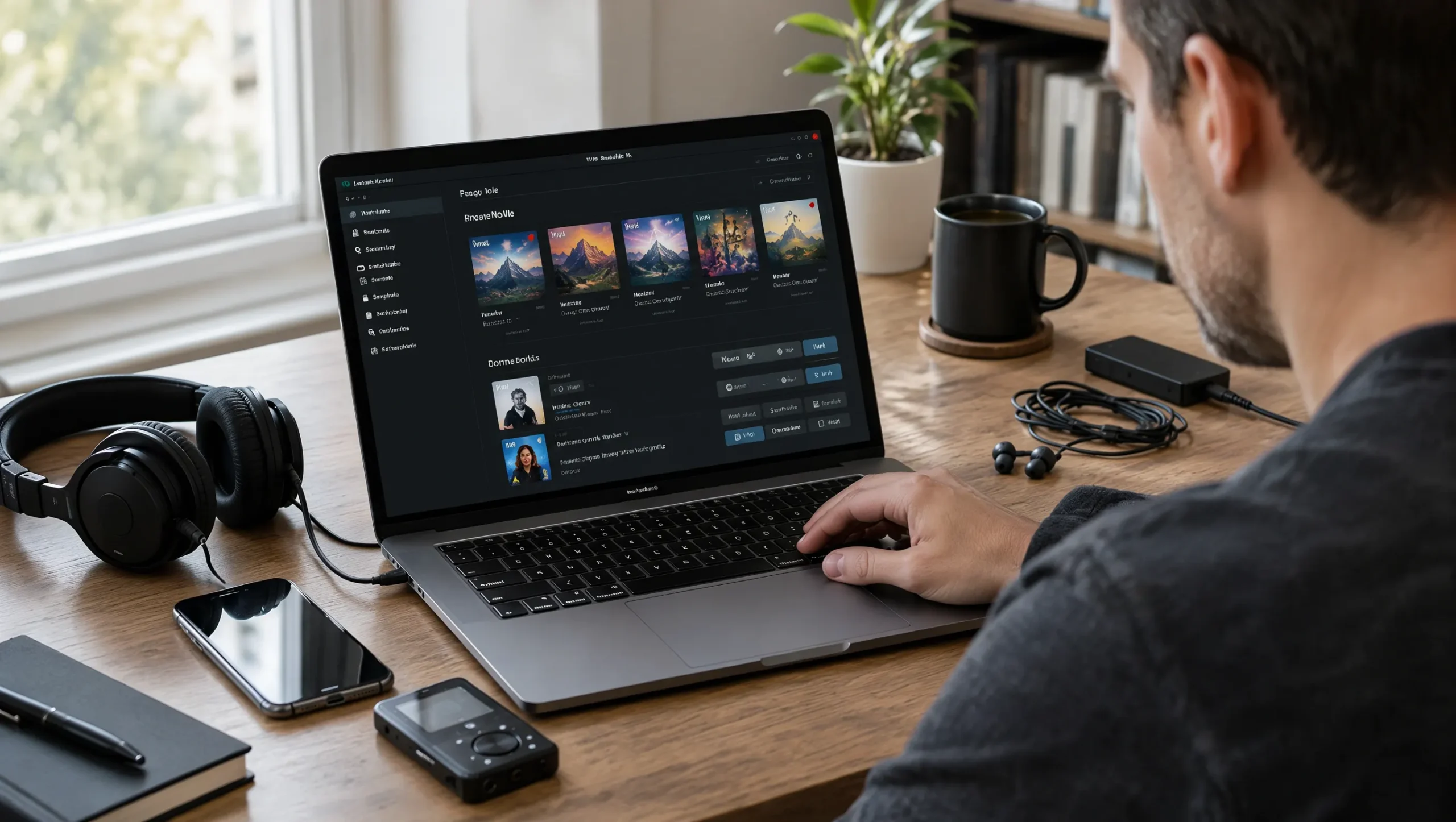
Have you ever purchased a song online only to discover that it cannot be played on another device? Digital music offers convenience, but playback restrictions can sometimes make managing a personal music collection frustrating. Understanding how music files work before making a purchase can help you avoid unnecessary limitations.
DRM-Free Music Downloads offer greater flexibility because the files do not include digital rights management restrictions that control playback. Whether you enjoy collecting albums, listening offline, or moving music between devices, knowing where to find legitimate downloads can make your music experience much easier.
Understanding Digital Music Download Restrictions
Buying digital music may seem straightforward, but not every download gives you the same level of flexibility. Some files include restrictions that affect how they can be accessed, copied, or played on different devices.
Understanding these limitations helps you make better purchasing decisions. As digital rights advocate Cory Doctorow explains, “Digital locks are a restriction on what people can do with the things they own.” This perspective highlights why checking download conditions matters before completing a purchase.
How DRM Limits Music File Playback
Digital rights management (DRM) uses technology to control how purchased music can be accessed. Depending on the system, a track may only work through an approved application, account, or compatible device.
These restrictions can become inconvenient when you want to transfer music to another player or organize your collection using different software.
Differences Between Protected and Unprotected Files
Protected music files contain restrictions that control certain playback or copying activities. Unprotected files do not have those DRM-based limitations, giving listeners more freedom to manage their downloads.
However, DRM-free does not mean copyright-free. You still need to respect the artist’s copyright and the license terms attached to each purchase.
Device Compatibility for Downloaded Music
Device compatibility is another important consideration. MP3 files generally work with many smartphones, computers, and portable music players, while some lossless formats may require specific applications.
Before purchasing an album, check its available formats and make sure your preferred devices can play them.
Finding Reliable DRM-Free Music Stores
Finding a trustworthy music store means looking beyond attractive prices and large collections. You should also consider licensing information, audio quality, payment security, and the actual download conditions.
DRM-Free Digital Music Files are available through established platforms such as Bandcamp and Qobuz. Both provide purchasing options that allow music fans to build personal collections without DRM playback restrictions.
Checking Music Store Licensing Policies
Always check whether a store clearly identifies its downloads as DRM-free. Bandcamp confirms that its purchased audio downloads are DRM-free, allowing fans to play their files without software restrictions.
Qobuz also offers DRM-free purchased downloads. These clear policies make both platforms useful starting points when looking for legitimate digital music.
Comparing Available Audio File Formats
Different audio formats offer different advantages. MP3 is convenient because of its smaller file size and broad compatibility, making it suitable for everyday listening.
For listeners who prefer higher audio quality, FLAC and ALAC offer lossless compression. WAV and AIFF are also popular options for preserving uncompressed audio.
Bandcamp supports several formats, including MP3, FLAC, ALAC, AAC, Ogg Vorbis, WAV, and AIFF. Qobuz also provides multiple download formats, depending on the selected quality.
Reviewing Download Options and Payment Terms
Before buying music, review the available payment methods, pricing, and download conditions. Some stores sell individual tracks, while others offer complete albums and special artist releases.
Bandcamp allows listeners to purchase music directly from participating artists and labels. Qobuz offers individual digital purchases through its download store. Always check regional availability and the specific terms displayed during checkout.
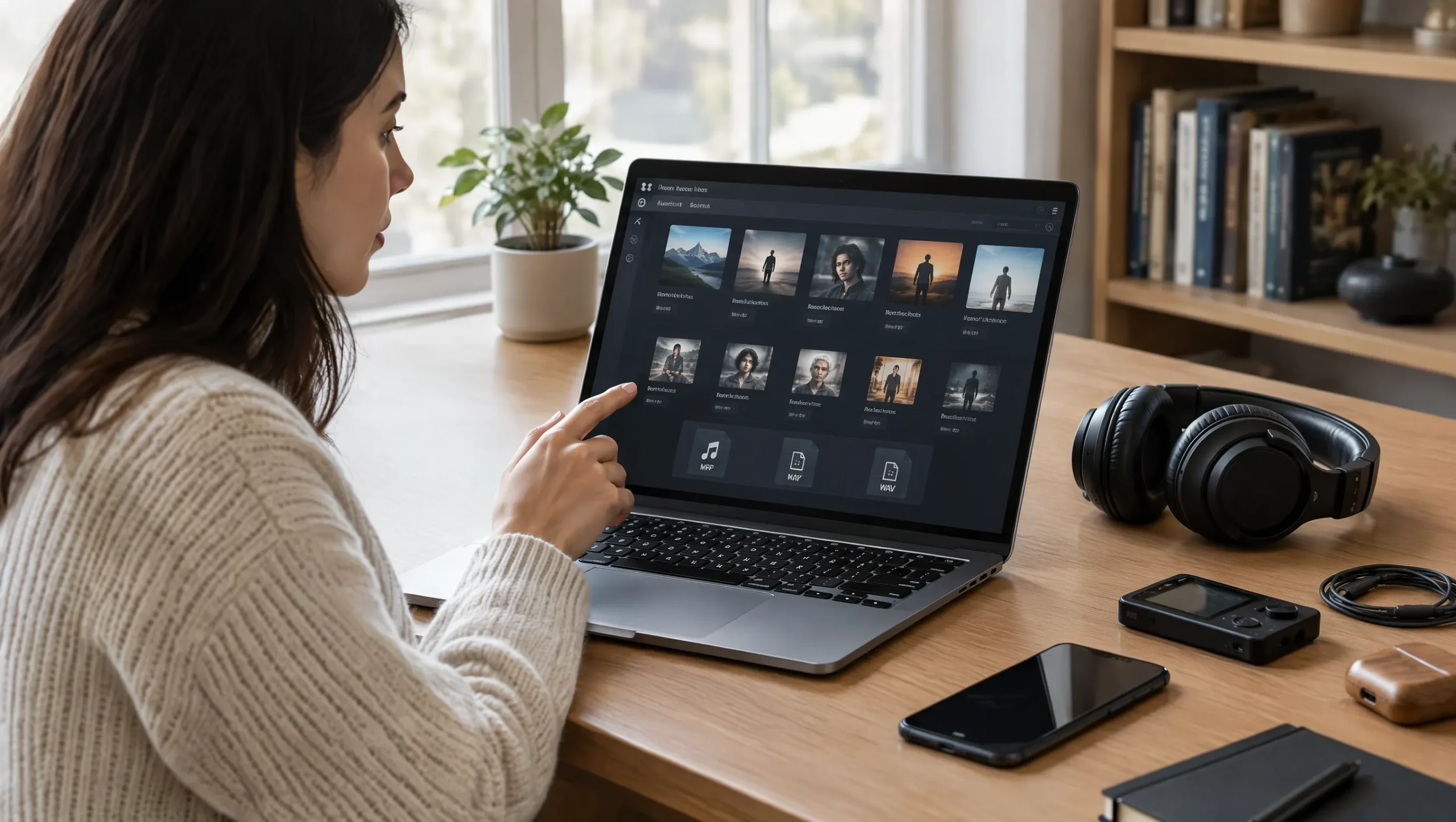
Managing Purchased Music Across Devices
Once you have purchased your favorite tracks, keeping them organized makes your collection easier to enjoy. A well-managed music library also helps prevent accidental file loss and unnecessary duplicate downloads.
Managing purchased music becomes simpler when you use consistent file names, compatible formats, and reliable backup methods. These habits can save time as your collection grows.
Organizing Personal Music Download Libraries
Create folders based on artists, albums, or musical genres to keep your downloads organized. You can also use music management software to add album artwork, track infsormation, and release dates.
Consistent naming makes it easier to search for specific songs without browsing through hundreds of individual files.
Transferring Audio Files Between Devices
DRM-free downloads make transferring purchased music between compatible devices more straightforward. You can move files using USB connections, external storage, or supported cloud storage services.
Make sure the receiving device supports the selected audio format before transferring your collection.
Keeping Backup Copies of Purchased Tracks
Backing up purchased music protects your collection against accidental deletion, damaged storage devices, or computer problems.
Consider keeping one copy on an external drive and another in a secure backup location. This gives you additional protection if something happens to your main music library.
Find Your Next Trusted DRM-Free Music Store
Building a personal music collection should be enjoyable, not complicated by unnecessary playback restrictions. By understanding DRM, comparing audio formats, and choosing reliable stores, you can enjoy greater flexibility when managing your favorite tracks.
Explore trusted platforms, discover new artists, and start building a digital music library that you can enjoy across your compatible devices.