
Music festivals bring together artists, audiences, and communities through shared experiences. Beyond live performances, these events create valuable opportunities for businesses to connect with music fans, introduce products, and build stronger brand recognition.
Music Festival Sponsorship can provide financial support for event organizers while helping brands reach audiences in an engaging environment. When both sides share similar values and goals, partnerships can create meaningful experiences that benefit sponsors, festival organizers, and attendees.
Building Festival Brand Partnerships
Successful festival partnerships begin with understanding what each side can offer. Organizers need to identify brands that complement their event identity, while sponsors look for opportunities to reach relevant audiences and achieve marketing objectives. A strong partnership should feel natural rather than overly commercial. Will Dowdy, VP of Global Partnerships at AEG, explains that “if a brand is adding real value to their experience then they can be receptive.” This highlights why sponsors should contribute something meaningful to the festival experience rather than focus only on visibility.
Identifying Suitable Brand Partners
Start by identifying businesses whose products, values, and target audiences align with the festival. Potential partners may include lifestyle companies, fashion brands, technology businesses, food and beverage companies, and media platforms. Consider the festival’s music genres, audience demographics, location, and overall atmosphere. A relevant brand connection can make sponsorship activities feel more authentic and encourage stronger audience engagement.
Understanding Sponsor Expectations
Brands usually expect measurable benefits from their partnerships. These may include increased awareness, product exposure, customer engagement, social media reach, and opportunities to connect directly with potential customers. Festival organizers should understand these expectations before presenting sponsorship opportunities. Clear communication about audience profiles, event reach, promotional channels, and available activations helps establish realistic expectations.
Defining Festival Partnership Goals
Set clear objectives before approaching potential sponsors. A festival may prioritize financial support, equipment, promotional resources, or product contributions, while brands may focus on awareness, sales, or audience engagement. Establish measurable targets for each partnership. Having shared goals makes it easier to evaluate results and maintain a productive relationship throughout the event.
Creating Effective Sponsorship Strategies
Once suitable partners have been identified, the next step is developing sponsorship opportunities that offer clear value. Organizers should consider how brands can participate before, during, and after the festival. Effective Brand Partnership Strategies focus on meaningful audience interactions rather than simply displaying logos around the venue. Creative sponsorship opportunities can help brands become part of the festival experience while supporting the event’s overall atmosphere.
Developing Attractive Sponsorship Packages
Create sponsorship packages with different investment levels and benefits. Options may include title sponsorship, main stage branding, promotional booths, digital campaigns, merchandise partnerships, and VIP experiences. Clearly explain what each package includes, such as logo placement, social media exposure, promotional mentions, and on-site activities. Flexible packages can attract both established companies and smaller businesses.
Planning Brand Activation Opportunities
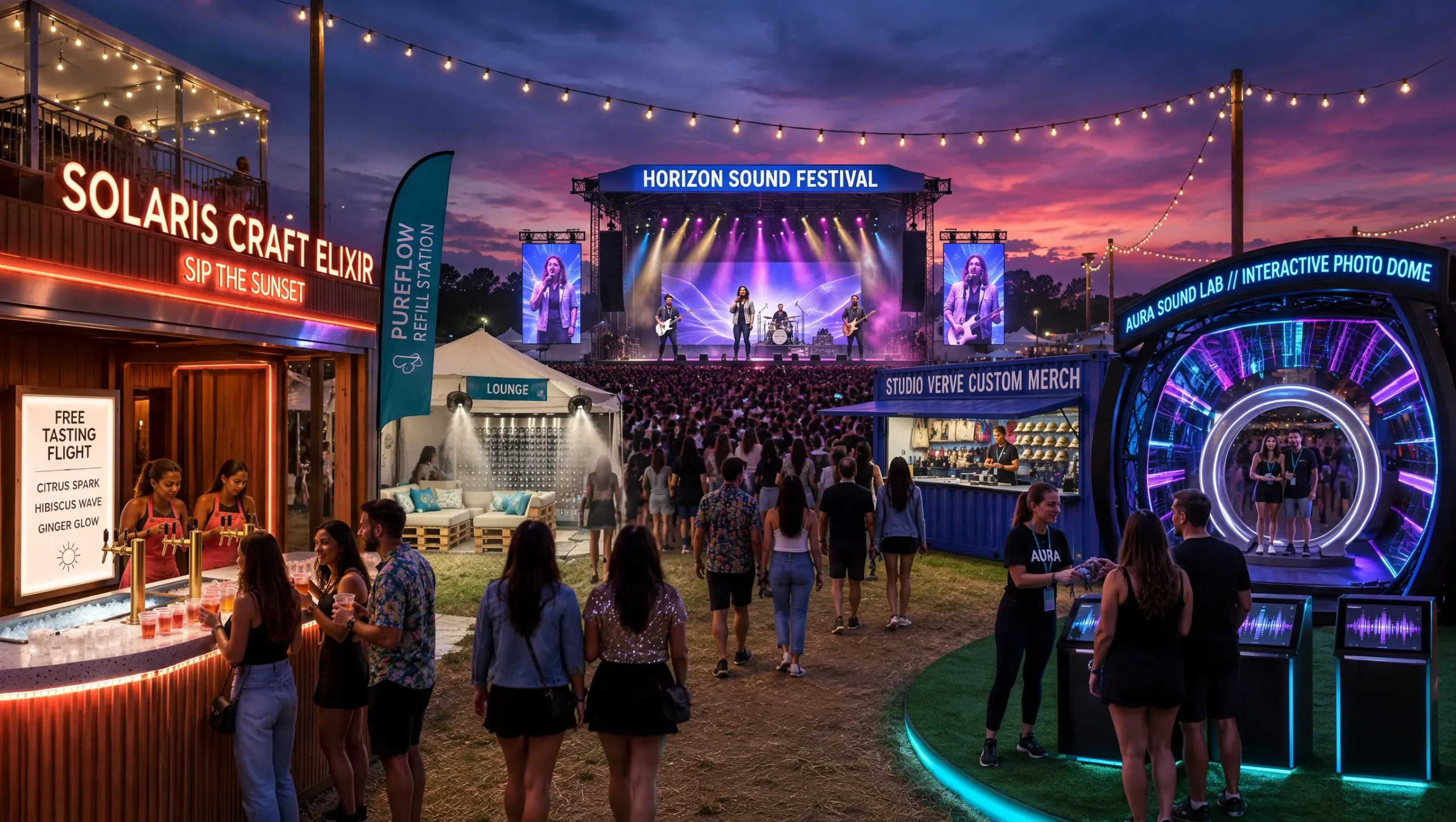
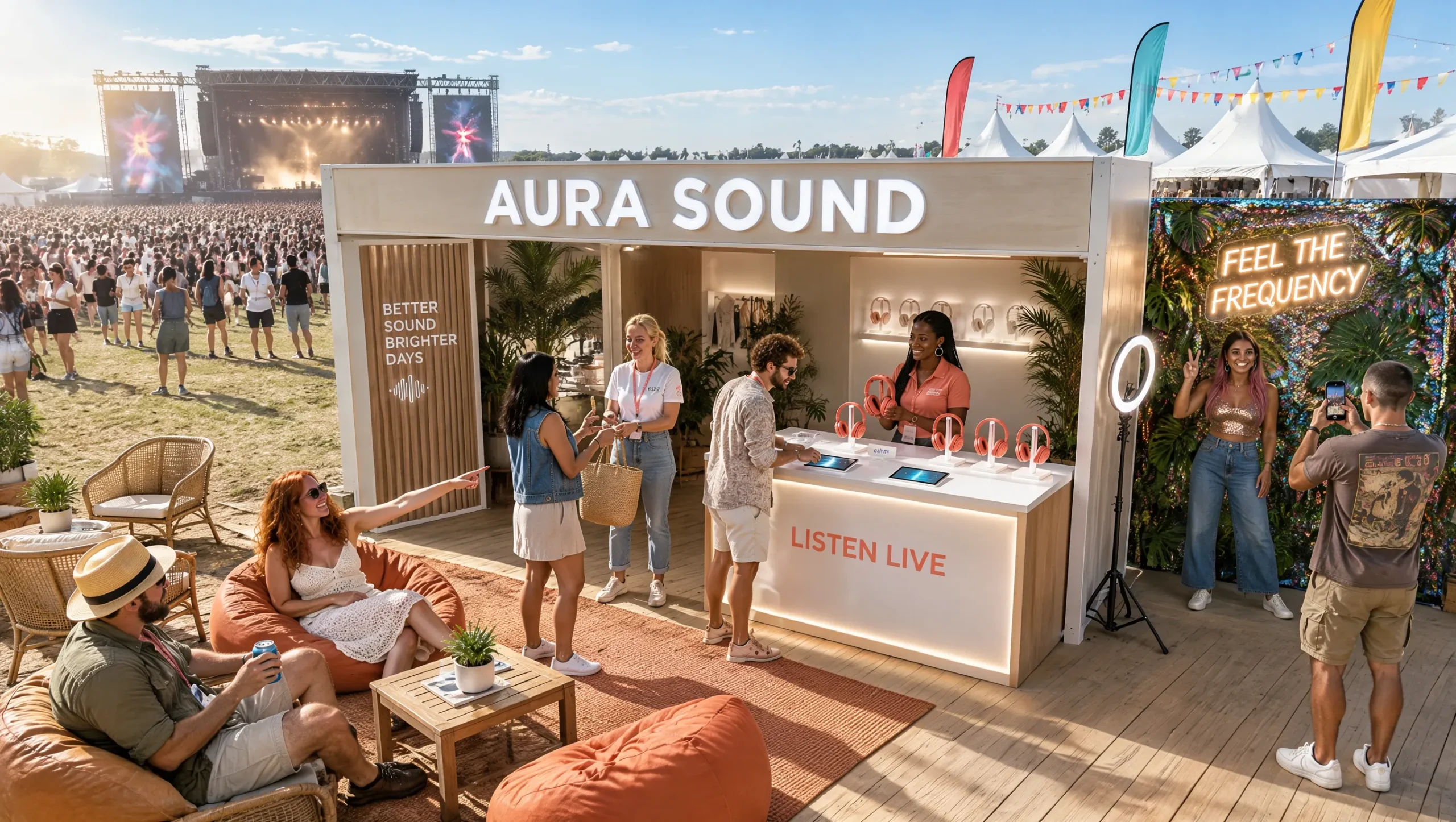
Brand activations allow sponsors to interact directly with festival attendees. Examples include interactive photo booths, product sampling, creative installations, charging stations, and branded relaxation areas. Fredda Hurwitz, former Global VP of Strategic Planning, Marketing and Communications at Havas Sports & Entertainment, emphasized that brands should create “exciting, unexpected experiences for fans.” Her perspective highlights the importance of offering activities that audiences genuinely enjoy.
Negotiating Partnership Agreements
Discuss financial contributions, promotional responsibilities, activation requirements, and event timelines before finalizing an agreement. Both parties should understand their obligations and expected benefits. Put all important terms into a written contract, including payment schedules, branding permissions, cancellation policies, exclusivity clauses, and performance expectations. Clear agreements help prevent misunderstandings during event preparation.
Managing Successful Brand Collaborations
A partnership does not end when the sponsorship agreement is signed. Organizers must coordinate activities, maintain communication, and ensure that every brand receives the agreed opportunities. Consistent management also helps protect the festival’s reputation. Sponsors should be visible without overwhelming the event or distracting audiences from the music and performances.
Coordinating On-Site Brand Experiences
Create a detailed activation schedule covering setup, staffing, equipment, safety requirements, and promotional activities. Coordinate with sponsors and production teams to ensure everything runs smoothly. Check that branded spaces are accessible, properly positioned, and consistent with the festival layout. Having a dedicated contact person for each sponsor can also simplify communication during the event.
Measuring Sponsorship Performance
Evaluate sponsorship results using measurable indicators such as audience participation, brand impressions, social media engagement, product interactions, and promotional reach. Share post-event reports with sponsors to demonstrate the value of their investment. Comparing actual results with the original objectives can also reveal opportunities to improve future collaborations.
Maintaining Long-Term Brand Relationships
Strong partnerships develop through trust, transparency, and consistent communication. Share event updates, audience feedback, performance reports, and future opportunities with sponsors after the festival.
Recognize successful contributions and discuss potential improvements together. Long-term relationships can create more stable sponsorship support and stronger collaborations across future events.
Build Stronger Festival Brand Partnerships
Successful festival collaborations require more than financial agreements and logo placement. They depend on shared goals, relevant brand experiences, effective planning, and ongoing communication. Start by identifying suitable sponsors, developing attractive packages, and creating activities that add value for attendees. With thoughtful planning and reliable partnerships, music festivals can build lasting relationships while creating memorable experiences for their audiences.