
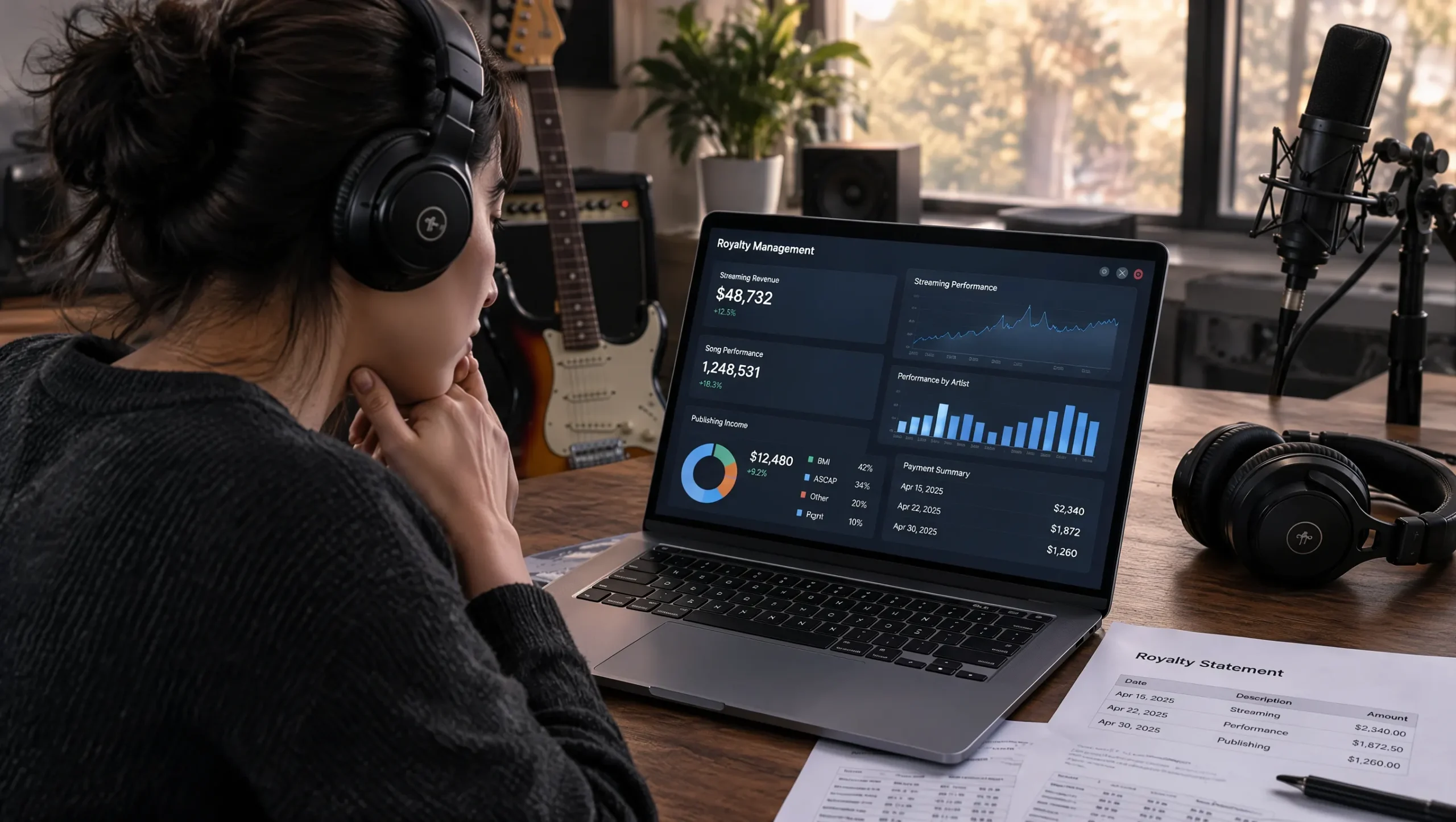
Creating music is exciting, but turning creative work into a sustainable career also requires financial knowledge. Musicians need to understand how their songs generate income, who owns the rights, and how payments reach the people involved in creating and recording music.
Music Royalties allow independent musicians to earn money when their compositions and recordings are streamed, performed publicly, reproduced, or licensed. Understanding these payment systems helps artists protect their creative work, recognize earning opportunities, and make better financial decisions.
Understanding Music Royalty Types
Music royalties are payments generated when copyrighted music is used in different ways. The main distinction is between composition rights, which cover the melody and lyrics, and master recording rights, which protect a particular recorded version of a song. These rights can generate separate payments for songwriters, publishers, performers, and recording owners. Knowing the difference helps musicians understand which royalties they can collect and which organizations handle their payments.
Performance Royalties From Public Plays
Performance royalties are generated when musical compositions are performed or played publicly. Common examples include radio broadcasts, television programs, concerts, and music played in restaurants or shopping centers. Songwriters and publishers generally collect these payments through performing rights organizations (PROs). Recording artists may also receive separate digital performance royalties in certain territories, depending on the type of broadcast and local regulations.
Mechanical Royalties From Music Reproduction
Mechanical royalties are earned when musical compositions are reproduced or distributed. This includes physical formats such as CDs and vinyl records, digital downloads, and qualifying interactive streams. Songwriters and music publishers are generally entitled to these payments. According to Vince Leoni, a CPA and royalty audit expert at Miller Kaplan, “Depending on how the music is consumed, there are different rights that are divided up as well.” This highlights why musicians should understand the specific royalty categories connected to each release.
Synchronization Royalties for Media Licensing
Synchronization royalties relate to licensing music for visual media, including films, television shows, advertisements, and video games. These opportunities usually require permission from both the composition owner and the sound recording owner. For example, an independent musician may receive a licensing fee when an original recording is selected for a commercial. The agreement should explain usage rights, payment terms, licensing duration, and territory.
Exploring Music Royalty Income Sources
Independent musicians can generate royalty income through multiple channels. Streaming platforms, radio broadcasts, live performances, and commercial licensing provide different opportunities to earn from original music. Understanding these sources makes it easier to develop a diversified income strategy. Each channel has its own collection process, payment structure, and requirements, so artists should keep accurate records of their music activity.
Streaming Platforms and Digital Downloads
Independent artists earn royalties from streaming when their music is played on services such as Spotify and Apple Music. Payments are generally distributed to recording and publishing rights holders before reaching artists and songwriters according to their agreements. Digital downloads can also generate mechanical royalties for composition owners. Josh Gruss, founder of Round Hill Music, explains that publishing income can come from “everything from when music is broadcast on radio or on television, or performed live in concert.” His explanation illustrates how one composition can generate revenue across multiple platforms and activities.
Radio Airplay and Live Performances
Radio airplay can generate performance royalties for songwriters and publishers when their compositions are broadcast. In some countries, eligible digital radio broadcasts also generate royalties for recording artists and master owners. Live performances provide another earning opportunity. Musicians should maintain accurate setlists and report eligible performances to their collection organizations to help ensure payments are properly attributed.
Music Licensing for Films and Advertisements
Music licensing allows artists to earn money when their songs are selected for films, advertisements, television productions, or online content. These agreements may include an upfront synchronization fee and additional performance royalties when applicable. Independent musicians can approach music supervisors, licensing agencies, and production companies to introduce their catalogs. Preparing high-quality recordings and clear ownership documentation can make licensing opportunities easier to manage.
Managing Royalty Rights and Earnings
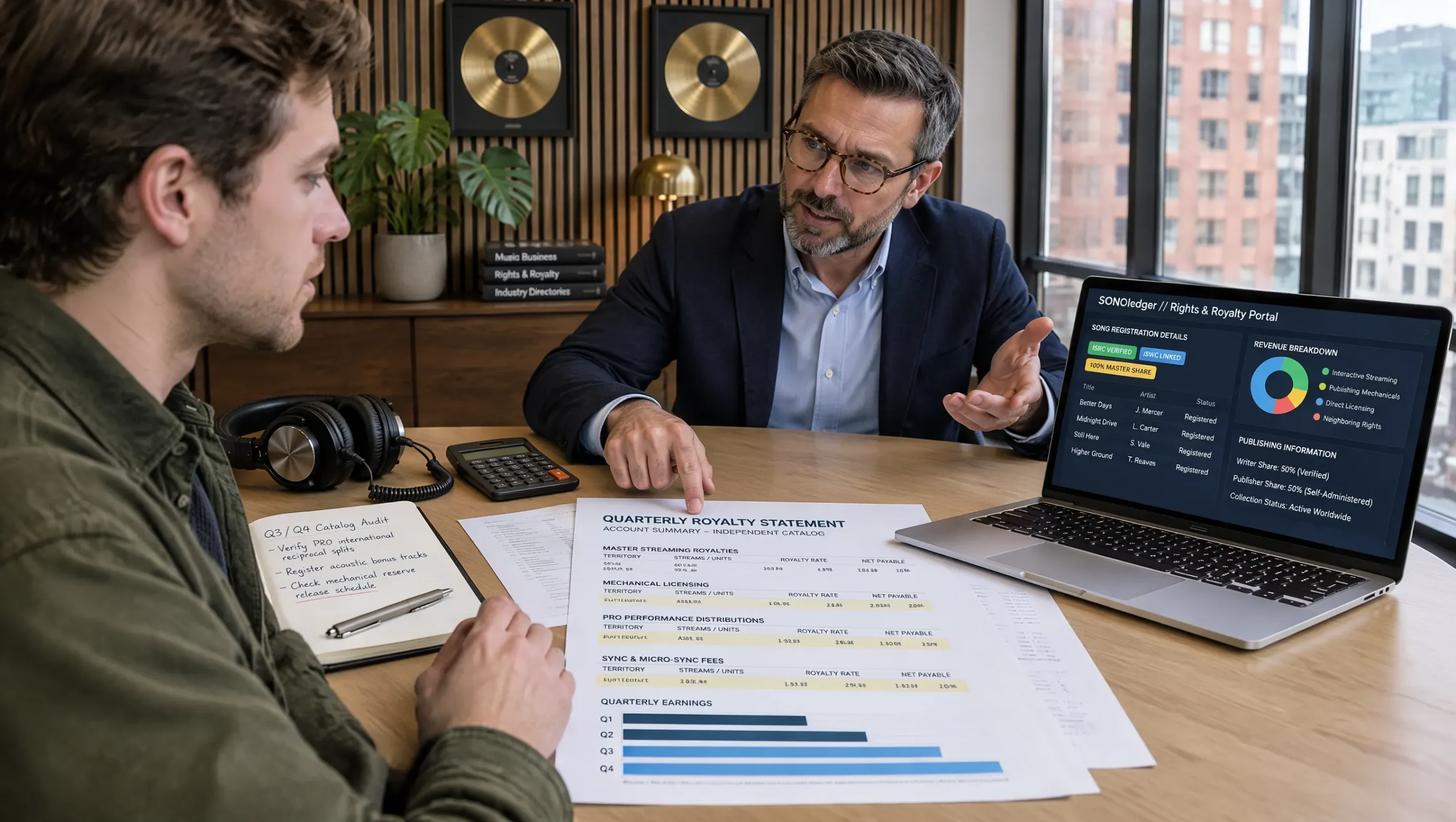
Collecting music royalties requires more than uploading songs to digital platforms. Artists need organized records, accurate registrations, and a clear understanding of their copyright ownership. Good royalty management also helps identify missing payments and prevent disputes. By regularly reviewing financial information, musicians can understand how their music performs commercially and where additional income opportunities may exist.
Registering Songs and Copyright Ownership
Register compositions with the appropriate performing rights organization and provide accurate information about songwriters, publishers, and ownership percentages. Recording owners should also explore relevant neighboring-rights organizations and digital performance royalty services. Keep written agreements that document songwriting contributions, master ownership, and royalty splits. Copyright registration and royalty collection are separate processes, so check the requirements in each relevant territory.
Tracking Independent Artist Earnings
Monitoring Independent Artist Earnings helps musicians understand how much revenue comes from streaming, downloads, performances, and licensing. Keep records of payment dates, platforms, territories, and revenue categories. Distributor dashboards and royalty collection portals can provide useful financial information. Reviewing these records regularly helps identify successful releases and potential payment gaps.
Reviewing Royalty Statements and Agreements
Check royalty statements for accurate usage reports, payment amounts, deductions, and distribution fees. Compare reported earnings with available platform analytics and licensing records. Before signing agreements, review royalty percentages, payment schedules, ownership rights, recoupment conditions, and contract duration. Seek professional legal or accounting advice when important terms are unclear.
Take Control of Your Music Royalties
Understanding royalty types, income sources, and copyright ownership gives independent musicians greater control over their financial future. Every release can create different earning opportunities, but collecting the right payments requires accurate registration and consistent monitoring. Start by reviewing your music rights, organizing royalty records, and checking existing agreements. Taking these practical steps can help protect your creative work and build a more sustainable music career.